
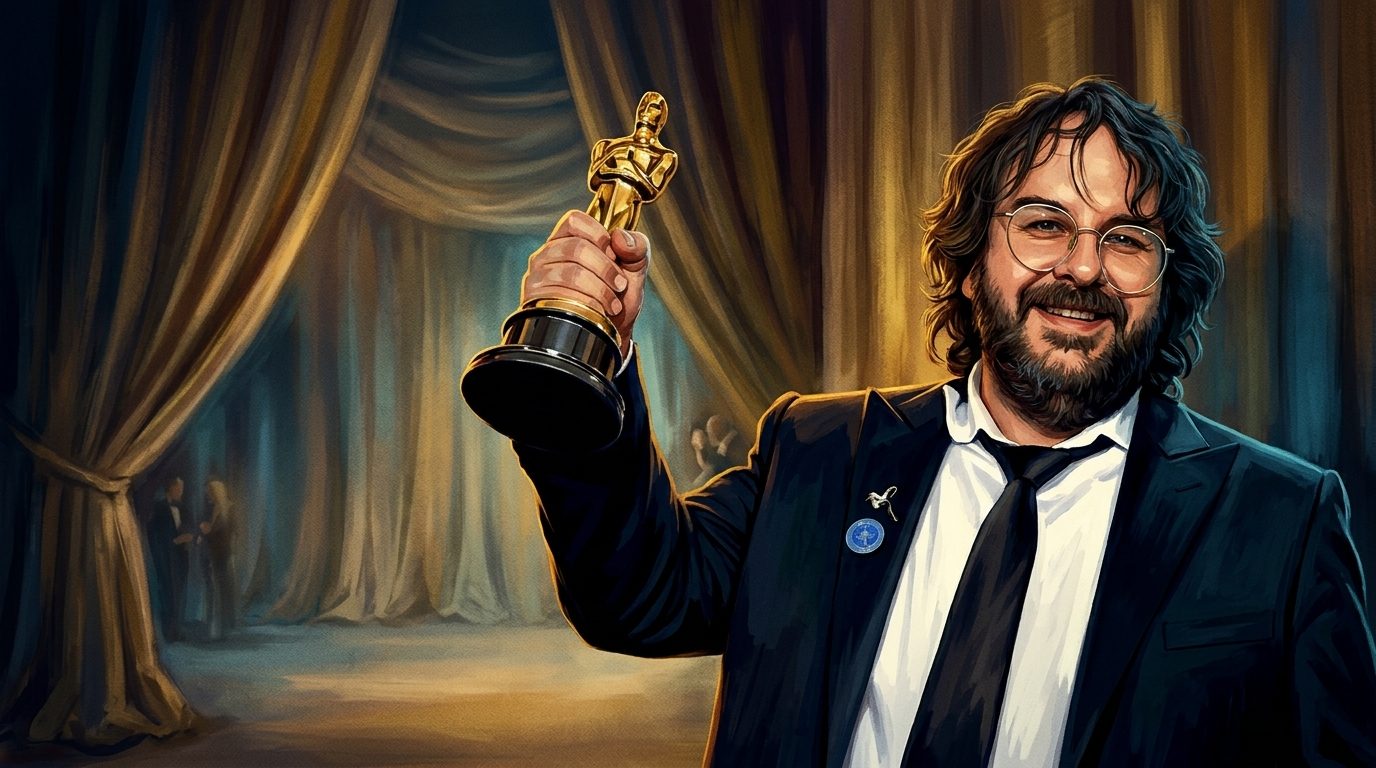
Release order is the order for a first watch: The Fellowship of the Ring (2001), The Two Towers (2002) and The Return of the King (2003), followed by four films that arrived later but sit earlier on Middle-earth’s clock. Seven films make up Peter Jackson’s continuity in total, as IGN’s guide counts them: three Lord of the Rings films, three Hobbit films and one animated feature.
Both lists are below, followed by where each film streams in the U.S. and which cut, theatrical or extended, to start with.
The Lord of the Rings Movies in Release Order
- The Lord of the Rings: The Fellowship of the Ring (2001)
- The Lord of the Rings: The Two Towers (2002)
- The Lord of the Rings: The Return of the King (2003)
- The Hobbit: An Unexpected Journey (2012)
- The Hobbit: The Desolation of Smaug (2013)
- The Hobbit: The Battle of the Five Armies (2014)
- The Lord of the Rings: The War of the Rohirrim (2024)
Entries four through six are the Hobbit prequel trilogy, released a decade after the story they lead into. Entry seven is the anime feature directed by Kenji Kamiyama, the only film in the run that is not live action.
The Lord of the Rings Movies in Story Order
- The War of the Rohirrim (2024), set 183 years before the trilogy
- The Hobbit: An Unexpected Journey (2012)
- The Hobbit: The Desolation of Smaug (2013)
- The Hobbit: The Battle of the Five Armies (2014), set 60 years before the trilogy
- The Lord of the Rings: The Fellowship of the Ring (2001)
- The Lord of the Rings: The Two Towers (2002)
- The Lord of the Rings: The Return of the King (2003)
Those gaps, 183 years and then another 60, come from the same chronological breakdown IGN publishes alongside its release list: Rohan, then Bilbo, then Frodo.
Which Order to Watch First
Release order. Start with The Fellowship of the Ring and go straight through the trilogy.
The Hobbit films were made by a filmmaker who already knew how the larger story ended, and they spend their running time pointing at things the trilogy has not yet explained: Gandalf’s suspicions, the Ring’s pull, Gollum’s history. The trilogy explains itself as it goes. Watching the prequels first turns those discoveries into footnotes instead of revelations. The same question comes up around other long franchises, and the fix tends to be the same one: the Marvel movies in order guide and the Dune movies in order breakdown both land on release order for anyone watching for the first time, because the chronological cut asks newcomers to do homework a story hasn’t earned yet.
The Prequel Built on a Footnote
The War of the Rohirrim makes the clearest case for saving story order until later. Its protagonist, Héra, carries the entire film, and she does not exist as a named character anywhere in Tolkien. Appendix A records only that Helm Hammerhand had a daughter, without ever naming her. The film supplies the name and builds 134 minutes of story around it. That is a reasonable thing for an adaptation to do. It also makes the anime an odd place to start for anyone who hasn’t yet seen Helm’s Deep mean something.
By the Numbers
- Seven films in the Jackson continuity, released between 2001 and 2024.
- $6 billion at the global box office and 17 Academy Awards across the six live-action films.
- 11 of those Oscars went to The Return of the King on Feb. 29, 2004, including Best Picture, tying the record held by Ben-Hur and Titanic.
- 4 hours 23 minutes: the extended cut of The Return of the King.
Where to Watch in the U.S.
All seven films stream with an HBO Max subscription in the U.S. The Lord of the Rings trilogy is confirmed there in both cuts: theatrical and extended editions of all three films are available, and the trilogy can also be rented or bought on Amazon Video, Apple TV Store and Fandango at Home. The Hobbit films and The War of the Rohirrim stream on HBO Max as well, though whether the Hobbit trilogy’s extended cuts are included there specifically isn’t confirmed. Availability checked Nov. 22, 2026.
Theatrical or Extended
Start with the theatrical cuts. The extended editions are longer in ways that matter to a schedule: The Fellowship of the Ring runs 179 minutes theatrical and 208 extended, and The Return of the King runs 201 minutes theatrical and 263 extended. Save the long versions for a second pass, when the extra scenes feel like visits rather than detours.
Anyone who wants them on a big screen got a chance in January 2026, when Fathom Entertainment and Warner Bros. brought all three extended editions back to theaters for the 25th anniversary of The Fellowship of the Ring, which was also selected for the Library of Congress National Film Registry in 2021.
Where The Rings of Power Fits
It doesn’t, and that’s the useful part. Amazon’s series is set in the Second Age, thousands of years before the films, in a separate continuity from Jackson’s movies. Nothing about the watch order above changes if the series is skipped, and nothing in the series is required to understand the films. Season 3 premiered on Prime Video on Nov. 11, 2026, with its final two episodes arriving Nov. 25, centered on the forging of the One Ring, worlds and ages away from the Third Age story the seven films tell.
https://www.youtube.com/watch?v=QmS7WuI9u40
Spoiler Warning
What follows spoils the endings of the Lord of the Rings trilogy and The War of the Rohirrim, and lays out how the newer and upcoming films fill in the timeline around them.
How the Timeline Fills In
The trilogy ends the story, and everything made since has been a return trip into the parts it skipped. The Hobbit explains how Bilbo found the Ring in the first place. The War of the Rohirrim explains how Helm’s Deep got its name and its reputation before Aragorn ever stood in it. Neither film needs the other, and both assume the trilogy has already landed with the audience.
Next in that line is The Lord of the Rings: The Hunt for Gollum, scheduled for theaters Dec. 17, 2027. Andy Serkis directs and returns as Gollum through motion capture, a role he has played since The Two Towers, with Peter Jackson, Fran Walsh and Philippa Boyens producing. The film sits inside the trilogy’s own timeline rather than before it. Boyens described it to Empire as falling “after the birthday party of Bilbo and before the Mines of Moria,” a “specific chunk of incredible untold story, told through the perspective of this incredible creature.” Jackson said at the Sitges Film Festival that the film was close to finished: “The Hunt for Gollum is almost finished filming. I think there are about two weeks of shooting left.”
A second film, The Lord of the Rings: Shadow of the Past, is further off. At the same festival, Jackson said, “We have The Shadow of the Past, which is in the scriptwriting stage.” No release date exists for it yet.
Two older adaptations sit outside the seven-film run entirely, and outside its continuity. Rankin/Bass made an animated Hobbit in 1977 and an animated Return of the King in 1980, and Ralph Bakshi’s 1978 The Lord of the Rings covered The Fellowship of the Ring and part of The Two Towers before stopping without an official sequel. They’re a curiosity for after the main run, not a place to begin it.
Begin with a hobbit who has no idea what the ring in his pocket is worth. The eight hours that follow work better when the audience is learning the same thing he is.