
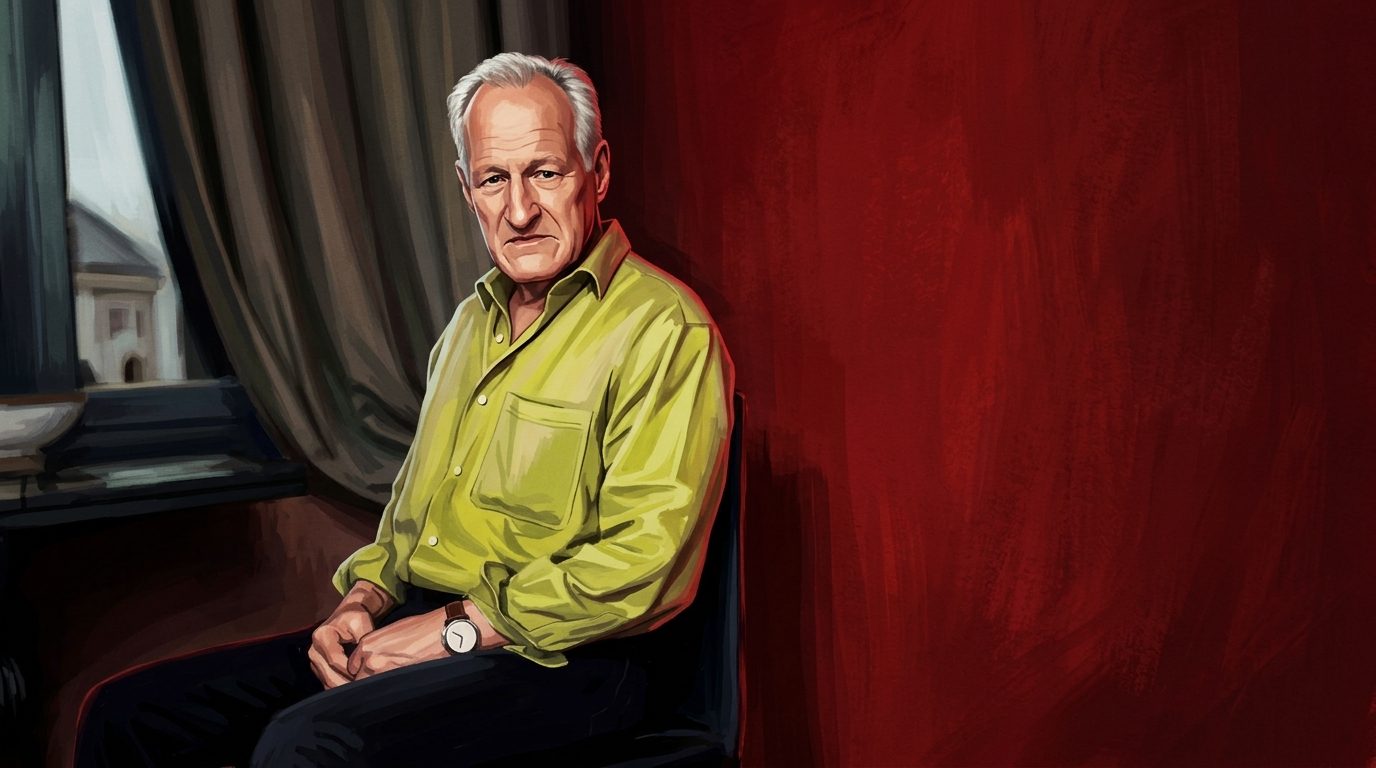
Michael Mann wrote Heat. No complaint filed in Los Angeles federal court changes that fact, no matter how many pages New Regency spent trying.
What the Yariv Milchan-run studio is actually suing over is who gets to sell Mann’s own story back to him after 2028, and it filed nine weeks before cameras roll on Heat 2.
Reason one: the statute exists for exactly this writer. Section 203 of the Copyright Act gives authors a five-year window to terminate a grant 35 years after signing it, with notice served two to ten years ahead of the effective date. Mann served three such notices earlier this year seeking to reclaim the copyright in the Heat screenplay and its underlying materials. That mechanism was built for writers who signed grants decades ago and lived to see the clock run out.
Reason two: New Regency’s own complaint admits what’s actually at stake. The suit warns the notices would “strip Regency, beginning in 2028, of rights it has held for more than three decades,” clouding its title and “jeopardizing its ability to develop, finance, and license works derived from” the screenplay. That is not a complaint about the 1995 film sitting on shelves. The Copyright Office reads the statute to let a studio keep exploiting what already exists while the right to authorize new derivative works, meaning sequels, reverts to the author. Heat 2 is not what gets clouded. The next one is.
Reason three: the complaint says the quiet part out loud. It states flatly that “certain provisions of the agreements that Mann and Regency each entered into with Amazon with respect to Heat 2 depend on the outcome of this litigation.” That is a studio using a courtroom to pressure-test a deal it already signed. It’s the same leverage instinct behind studios reportedly reshaping Pattinson’s Bond deal around fewer films for more money per picture, or Denis Villeneuve refusing to name a Bond lead while insisting he is still “pushing the gas.” Studios do not like handing control of a franchise to anyone, including the person who wrote it.
Here’s the fair concession to Regency. The paperwork is a problem for Mann.
The complaint says the Heat screenplay’s work-for-hire status is “a fact that Mann stated repeatedly in written agreements that he personally signed, both on his own behalf and on behalf of companies that he controlled.” The weakest link in Mann’s case is a 1988 oral assignment involving two loan-out companies he ran himself, which Regency mocks as Mann “like a Shakespearean actor playing multiple parts, simultaneously” speaking for himself and both entities at once. Forty years of signed documents calling something work for hire is a heavy thing to argue around in court.
But paperwork has lost this exact fight before. In Horror Inc. v. Miller, the successors to the Friday the 13th production company sued screenwriter Victor Miller to block his termination notice, the identical move Regency is making now. The Second Circuit ruled in 2021 that Miller wrote as an independent contractor and could reclaim his screenplay, despite a WGA standard contract that said the company would “employ” him. A studio calling something work for hire in a signed form is not the same as it actually being one under the statute, and courts have said so.
What Heat earned explains why Regency is fighting at all. The film made $187.4 million worldwide on a $60 million budget and remains consistently one of Warner Bros.’ most lucrative rental titles. Thirty years later it is still an annuity, and annuities do not get surrendered quietly.
There is one wrinkle that makes Mann’s righteous case a little less personal than his spokesman’s statement suggests. The complaint says Mann has already assigned any rights he might reclaim to Amazon, which is exactly how his team can call the lawsuit “unrelated to production of Heat 2 which will begin shooting on January 19.” Section 203 was written to let an individual author win back control of his own work. Mann wins it back and immediately hands it to a different conglomerate with Leonardo DiCaprio, Christian Bale, Adam Driver, Stephen Graham and Jason Clarke already cast. That doesn’t make Regency’s legal position stronger. It just means this fight was never about Mann keeping Heat for himself. It was always about which studio gets to be the gatekeeper.
Mann built this story twice before anyone paid for it, first as the canceled NBC pilot that aired as L.A. Takedown in 1989, then as the film itself. On authorship, the record is not close. On leverage, Regency is simply doing what every studio does when a franchise is worth defending: file first, argue about the signatures later, and make sure nothing moves on the sequel until the lawyers are done.