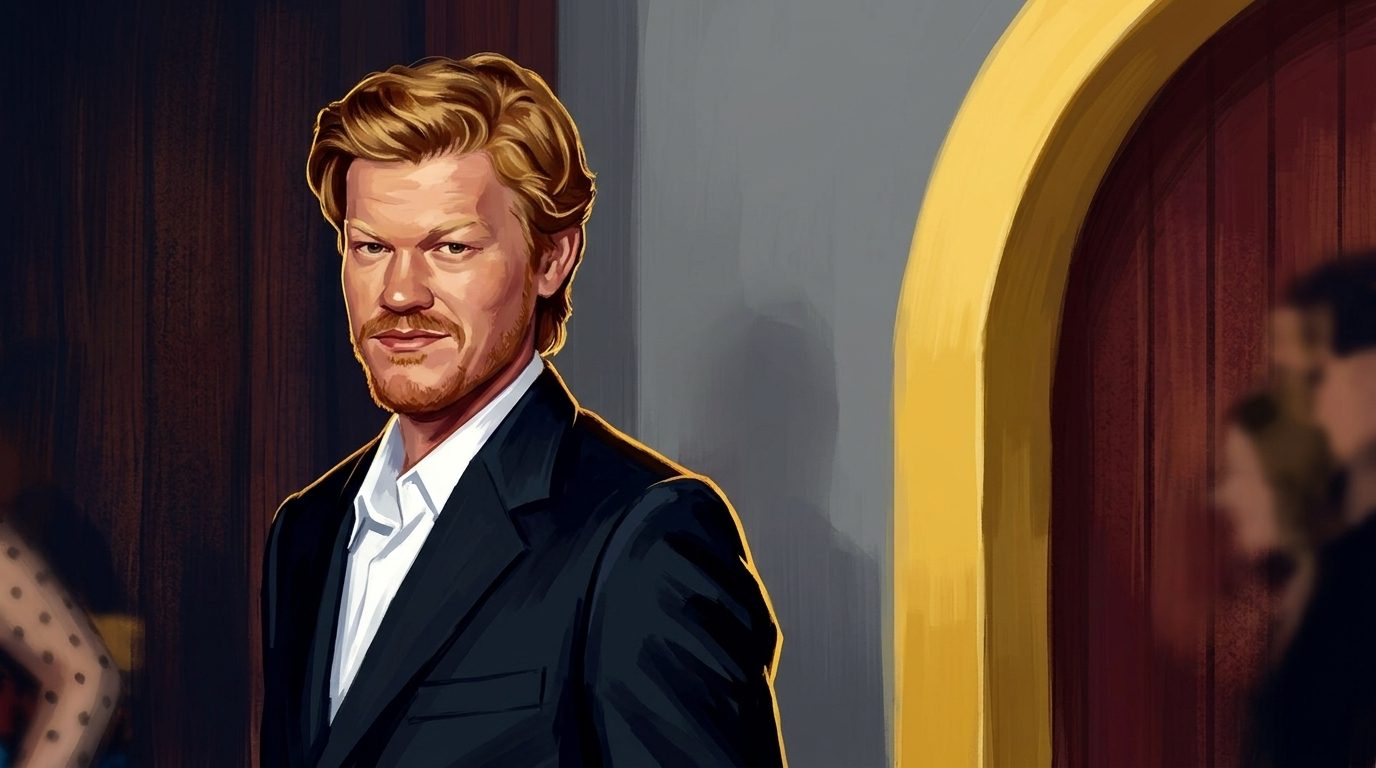

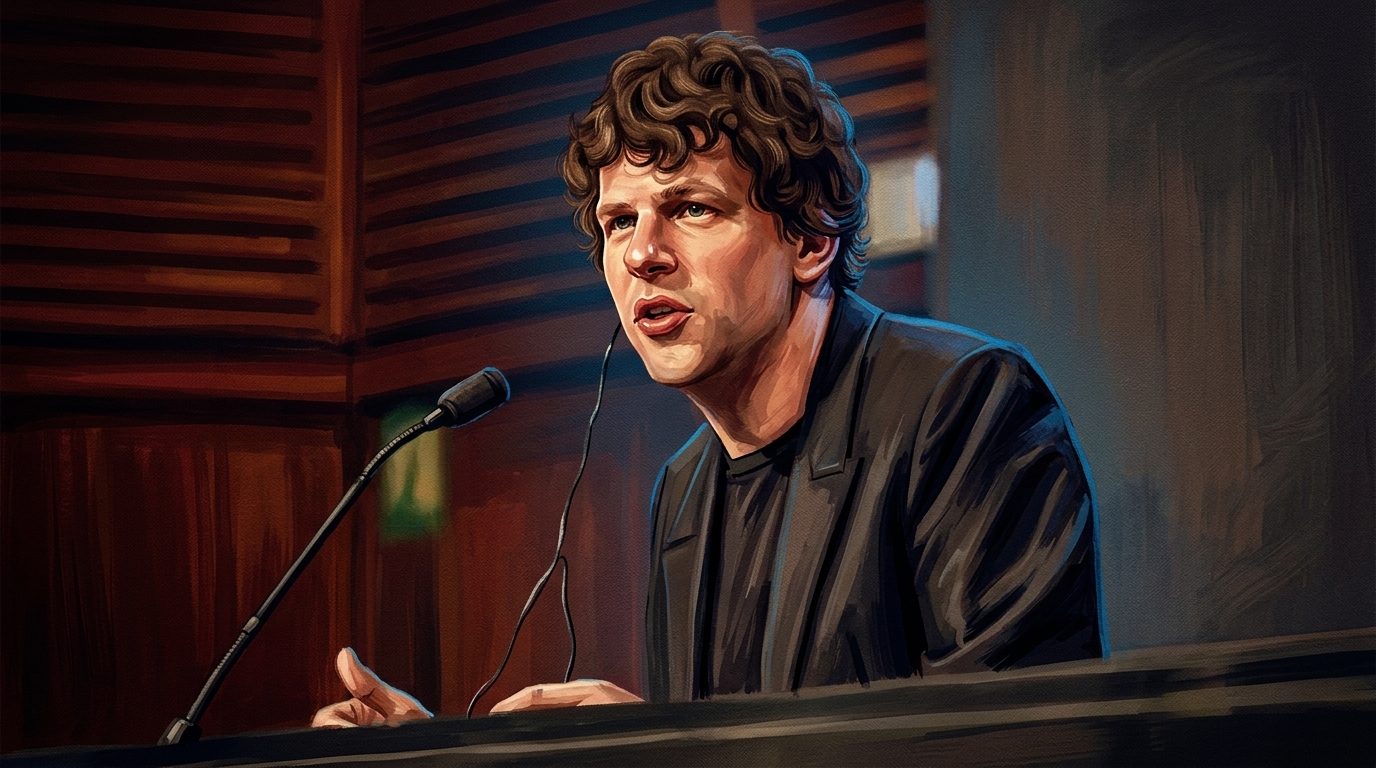
Jesse Eisenberg says A24 passed on A Real Pain with a note that amounted to this: the studio doesn’t really make movies like that anymore. Three days later, Variety’s Nov. 19 Oscar chart projected his next A24 film, The Debut, for Best Picture and five total nominations. The gap between those two facts reads like a price tag, not a contradiction.
The quote matters exactly as spoken. Eisenberg told The New Yorker that A24 “gave me an interesting note, which is that they don’t really do movies like this anymore, which were not dramatically swinging for the fences,” then added, “Like, it wasn’t Marty Supreme.” The A.V. Club ran the quote on Nov. 16. Read it as a rejection of small human dramas and the company’s current slate makes no sense. Read it as a budget conversation and everything lines up.
The math behind the note
A Real Pain cost a reported $3 million before prints and advertising and finished with $24.9 million worldwide, $8.3 million of that domestic. That’s a clean profit on paper. It is not a number that pays for a six-week awards campaign and a subway poster run, which is the operation A24 now builds around its biggest swings.
Marty Supreme is the comparison Eisenberg reached for, and it explains the math. The Safdie film cost A24 $70 million to produce, the most the studio had ever spent, and it became A24’s highest-grossing worldwide release at $147 million. When the ceiling moves that high, the floor for what gets a real release moves with it. Searchlight solved the problem for A Real Pain by paying $10 million for worldwide rights at the first big Sundance auction of 2024. A24 passed on the acquisition. It never passed on the script.
The studio kept the dramas, it just changed the delivery
IndieWire counted A24 at $526.6 million domestic through Nov. 15, a 6.0 percent market share, fifth on the year, ahead of Warner Bros., Paramount and Lionsgate. That’s a studio releasing 16 to 18 movies a year on legacy-studio volume. A company running that scale doesn’t need fewer small dramas. It needs each one to arrive dressed as an event.
The Debut is the proof. Eisenberg called it “a small budget movie” where nobody got paid oodles of money, the same scale he was told A Real Pain lacked a market for. What changed is the packaging. Julianne Moore in the lead, Emma Stone producing through Fruit Tree, a Telluride premiere, a Dec. 11 limited bow followed by a Christmas wide break, the exact runway A24 used for The Brutalist and The Whale. Variety’s Clayton Davis called it “funny, then feral, then unexpectedly moving” and read the date as “a studio going long.” A24 didn’t walk away from Eisenberg either. It’s producing his first TV series, about a conservative college student drawn to a liberal professor after 9/11.
Here’s the trailer selling that showcase:
https://www.youtube.com/watch?v=clyzHmBx43E
The star is the real filter
A Real Pain was unfundable until Kieran Culkin signed on, by Eisenberg’s own account, and Culkin went on to win the Oscar for the role. The Debut was written entirely for Moore. Both scripts cleared the same bar on the way to a green light: a performer whose name can carry a campaign by itself. That’s a harder filter than a quality test, because a first-time director with a $3 million script and no star attached is the one who actually hears no.
A24 did change what it finances, and a filmmaker handed that kind of note is right to hear it as a closed door. That part of the complaint is fair. But A24 is projected for 13 Oscar nominations, behind only Universal’s 17 and Netflix’s 14, with three films on the Best Picture list: The Debut, The Invite and You Can See Everything. A studio sitting out small human dramas doesn’t produce that chart.
What this means for anyone who wants to see one of these films in an actual theater is simple and a little annoying. The mid-budget drama at A24 now arrives like an awards-season product: a narrow platform window, a star attached before the first draft gets greenlit, and a calendar slot that expands only if the opening weekends deliver. Show up in week one, because the studio is betting the same way the audience is.
Eisenberg got the note on A Real Pain and the release plan on The Debut. Same filmmaker, same budget range, same house. The small drama isn’t gone. It just needs a movie star to buy the ticket first.