
Theaters, with a caveat anyone chasing this one should hear up front: Sony Pictures Classics opened The Only Living Pickpocket in New York in six theaters on Oct. 23, widened to 1,112 locations a week later, and had narrowed back to 818 by Nov. 12. Check local listings before planning the evening. That bureaucratic detail matters because this is a small film built to be seen large, a character study about an aging Bronx pickpocket that occasionally wears a crime plot like a borrowed coat, and the plot is the least interesting thing it is doing.
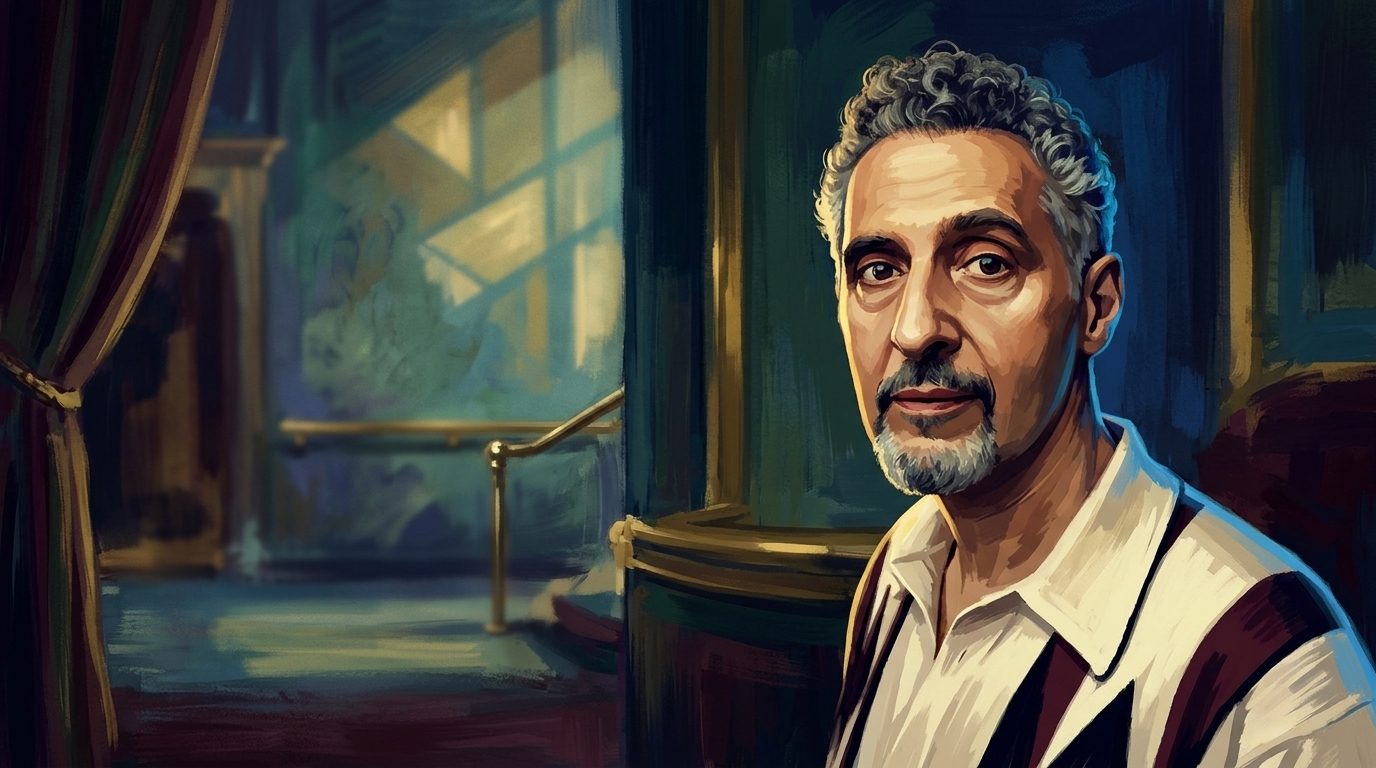
Harry Lehman (John Turturro) lifts a bag from Dylan (Will Price), a rich kid with mob ties, and finds a card loaded with a small fortune inside, which starts a clock the trailers are happy to sell. Glenn Whipp’s Los Angeles Times review names what the film actually is, “less a procedural thriller than a wistful mood piece about the passage of time, what’s lost, what’s left behind.” Held to that measure it mostly succeeds. Harry cares for his nonverbal wife Rosie (Karina Arroyave), carries no phone, deals only in cash, and drops every lifted wallet into a mailbox so the mark loses nothing but the money, a quiet rule that says more about the man than any speech could.
The scene that earns the film its stripes is the prologue, and it is worth describing because it is the whole argument in miniature. A businessman (John Gallagher Jr.) sprays on cologne, snaps on a watch, fails to hail a cab, and packs into a rush-hour subway car with Harry half a step behind him. Segan cuts straight to a white-tablecloth lunch and a hand reaching for a wallet that is already gone. The theft itself never appears. What the camera holds on instead is Turturro’s eyes working a platform, reading cuffs and coat lines and the particular slackness of a man who hasn’t checked his pocket in ten minutes, and that patience is the film’s real special effect. Turturro trained for it with sleight-of-hand artist Apollo Robbins and practiced on the production office and crew between takes, and he wears a Zegna overcoat he describes with a straight face: “It’s got all the pockets. It’s like a piece of armor, sort of like a samurai robe.”
Segan and cinematographer Sam Levy treat the boroughs as the second lead rather than scenery, and a late 360-degree view of the harbor skyline from the New Jersey shoreline is the shot IndieWire singled out as the film’s most satisfying image, and the praise holds up once you see what Levy does with it. It was not an easy shot to get. The crew planned a 25-day schedule and then added a 26th day for the scale work and unpermitted subway filming, during which two police officers boarded the train they were shooting on.
https://www.youtube.com/watch?v=iXA7BmrBBxs
Gary Lionelli’s score runs on seventies brass in the Lalo Schifrin jazz-funk mode, and it is the element most likely to split a room (IndieWire found it heavy-handed, and there is a case for that). The bookends land better than the cues in between: LCD Soundsystem’s “New York, I Love You but You’re Bringing Me Down” opens the film and Bobby Short’s “I Happen to Like New York” closes it, and those two songs argue the city’s case from opposite ends of a long marriage.
This is Segan’s second feature as director, following the 2022 Shudder vampire film Blood Relatives and a segment in the 2019 anthology Scare Package, and it arrives after two decades spent acting in Rian Johnson’s films, from Brick through all three Knives Out mysteries. Johnson and Ram Bergman executive produced through T-Street alongside MRC, which explains some of the confidence on display. Segan has said he wanted “to show what happens when someone who has maybe spent most of his life doing the wrong thing decides to start doing the right thing,” and David Rooney in The Hollywood Reporter calls the result “a complete swerve into more nuanced genre territory and more complex storytelling.” The genre reflexes are intact. The patience is new, and it is the better trade.
Steve Buscemi gives Ben, the fence running a pawn shop with one computer too obsolete to read the stolen card, a weary tenderness that keeps the comic relief from feeling like a different movie (the failed upload is both the plot engine and the film’s funniest running gag). Giancarlo Esposito plays Detective Allan Warren with tired decency rather than menace, and Tatiana Maslany plays Kelly, a role the script keeps carefully unresolved; whether she is family to Harry or just tangled up in his week is a question the film is in no hurry to answer, and neither is this review. Jamie Lee Curtis turns up for a single scene late in the film as Moira, the matriarch of Dylan’s crime family, and does more with four minutes than most actors manage with forty. Time Out’s Elizabeth Weitzman gave the film four out of five stars and still had the fair complaint: Will Price’s “exaggerated swagger” as Dylan pushes past unsubtle, and the Rosie material is thinner than it needs to be for how much weight the film asks it to carry.
Character-film people and New York movie people will settle in happily, and anyone who wanted more of Turturro after The Night Of, where he played the weary attorney John Stone, gets exactly the argument they were hoping for. Anyone expecting momentum, chases or a body count should skip it kindly; the guns stay holstered for the whole 88 minutes. Readers rounding out a week of patient character work have options right now, from James Gray’s quieter leap in Paper Tiger to John Malkovich’s more comic register in Wild Horse Nine.
The box office is modest and tells its own story: $138,657 in six theaters opening weekend, $1.9 million the weekend it went wide, and $4.36 million domestic through Nov. 12. Turturro has a Gotham Award nomination for lead performance to show for it. Theaters, with one qualification: this is a small movie with an enormous city inside it, and the harbor shot at the end is reason enough not to wait for it to shrink onto a television.