
Disney should have blinked. It had the bigger opening, the looser calendar and the only real leverage over Dec. 18, and it used all three to start a fight neither studio needed.
Both movies will be hits regardless of where they land. The screen that pays for it is the one in the lobby with the curved wall, and the person standing in front of it trying to buy one ticket.
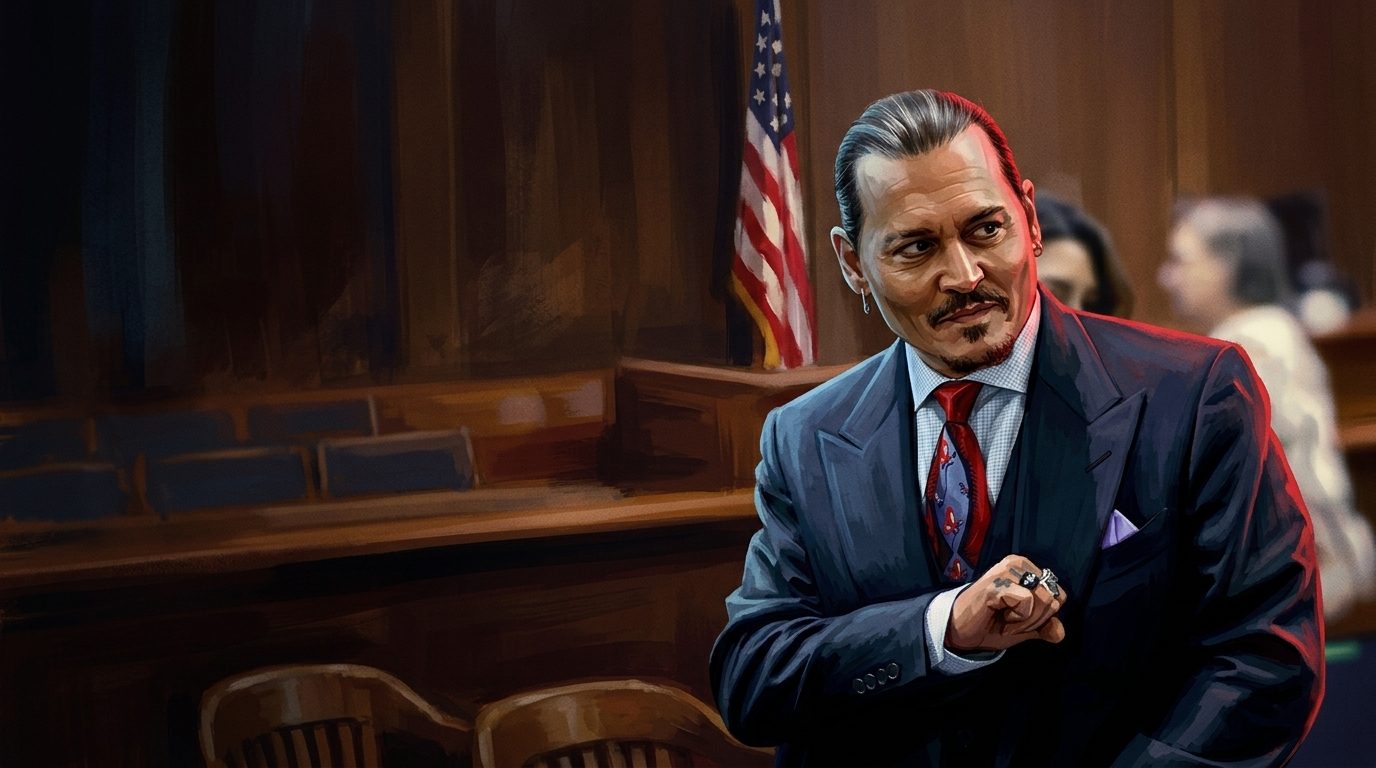
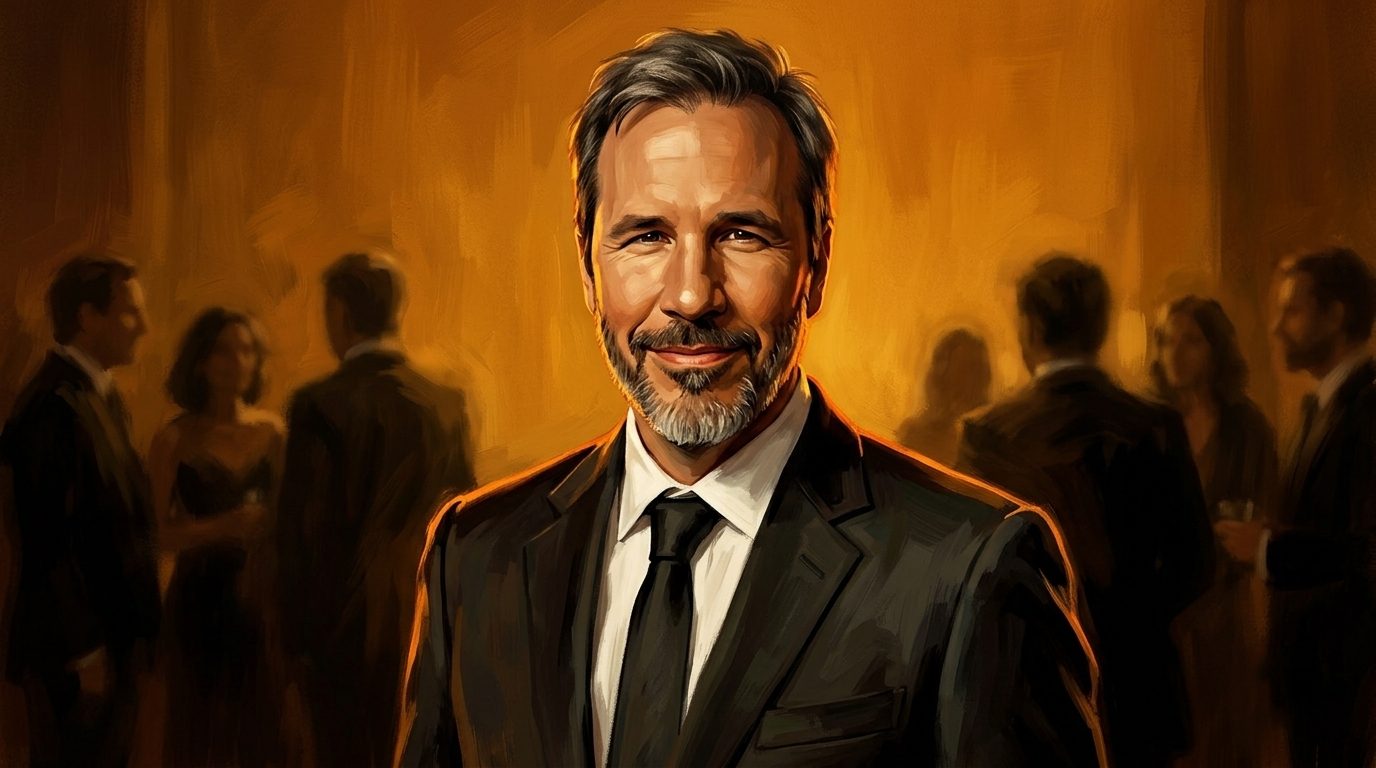
Denis Villeneuve said the quiet part out loud this week. In an interview with Time, the Dune director admitted he was “deeply disappointed” when Disney set Avengers: Doomsday onto the date Dune: Part Three already held, a phrase The Hollywood Reporter ran under the nickname “Dunesday.” “But we had committed to this date, to IMAX. It was impossible to move. So I accepted my fate, praying to the gods of cinema,” he said. Then he gave the internet its line of the month: “Dune is not a mammoth like the Avengers, but it’s a sexy little animal that has a lot of firepower, and I hope we will survive,” he told Variety.
The mammoth is real. Doomsday landed on NRG tracking at $270 million, the highest initial opening forecast the firm has ever logged, with a shot at $300 million and more than $100 million in domestic presales already banked. Dune: Part Three tracks at $75 million to $80 million.
Nobody at either studio gets fired over Dec. 18. That is exactly why nobody needed to share it.
Warner Bros. got to IMAX first, and locked the door. Its deal gives Dune: Part Three an exclusive run on IMAX screens for three straight weeks, and IMAX CEO Rich Gelfond confirmed to investors that the arrangement ruled out a domestic Doomsday run on his biggest screens. The only place Doomsday gets IMAX at all is a handful of international markets, and even in China the window only opened because Dune moved there to Dec. 31. The market where somebody actually blinked is the market where Doomsday wins the screen.
Disney’s answer to losing the format war was to print a new logo. At CinemaCon in April, the studio unveiled Infinity Vision, a certification badge for premium large-format auditoriums that already existed, covering “over 75 domestic and 300 global exhibitor PLFs.” Gelfond’s read on it to THR was blunt: “It’s important to note there’s no additional screens. It’s just kind of a branding move on their part.” A sticker is not a screen. It is a press release wearing one.
The moviegoer is the one doing the actual math. Variety reported in March that the two films would split the remaining premium large-format footprint, Dolby and ScreenX included, between two films chasing the same largely male fanbase, nothing like the counter-programmed split that made Barbenheimer work. Walk into a multiplex with one IMAX house and one Dolby house on the night of Dec. 18. Dune takes the IMAX. Doomsday takes the Dolby. One premium slot, per movie, per night, and a 165-minute Doomsday doesn’t squeeze a second show into that slot either. Two tickets. Two trips. Nobody at either studio pays for that, the fan does.
Both films clearly know where the money sits. Disney said in September that more than 70% of Doomsday’s domestic presales were for Infinity Vision screenings, and that certified screens took 52% of revenue on the September Endgame re-release. Dune’s IMAX books tell the same story from the other side: more than $30 million in IMAX presales alone, reportedly the biggest presale figure in Warner Bros. history. London’s BFI IMAX sold 33,000 tickets in 24 hours, a venue record ahead of The Odyssey, Oppenheimer and Dune: Part Two. Disney walked into a fight over that exact demand with the biggest opening forecast on record and walked out with a branding deck.
The fair counter is that none of this hurts the box office ledger. Dec. 18 to 20 could become the biggest domestic weekend in history, topping the $437.1 million that Spider-Man: Brand New Day’s $2.5 billion global run produced this summer, a run that already reshaped the current Marvel timeline heading into this holiday. Both studios get a record and a headline. Doomsday survives any date it picks.
Barbenheimer is the wrong comparison, though. That weekend worked because it was counter-programming, a comedy and a historical epic splitting two different crowds. This is two fanbase-overlapping tentpoles fighting for the same premium houses on the same night, which is a scheduling choice, not fate. Warner Bros. had no exit, not with $30 million in IMAX tickets already sold and a shoot built for the format. Disney had options and reportedly considered one: moving Doomsday up a week to grab its own IMAX window before Dune’s lock began. Sony, with a far smaller stake, actually moved, shifting Jumanji 3 to Christmas Day rather than stand in the blast radius. Movie Opinions already flagged the resulting pileup in its Dec. 18 showdown watchlist.
Picture the split instead. Doomsday opens Dec. 11, with a full week of IMAX and every Dolby and ScreenX house to itself. Dune: Part Three opens Dec. 18 with the uninterrupted three-week IMAX run Warner Bros. built the release around. Two clean premium windows. Two enormous weekends, one of them probably still a record.
What that costs is a line in a record book. What the current date costs is the moviegoer’s Friday night, split in half to make room for two mammoths that never needed to share the same room.