
Florence Pugh’s pitch is the best Bond villain idea currently on the table, and the five-foot-four joke is the least interesting part of it.
She is not asking for representation math. She is asking for an antagonist who does to Pattinson’s Bond what the character has only ever done to the audience: match him, read him, beat him at his own game instead of simply outmuscling him in a burning room.
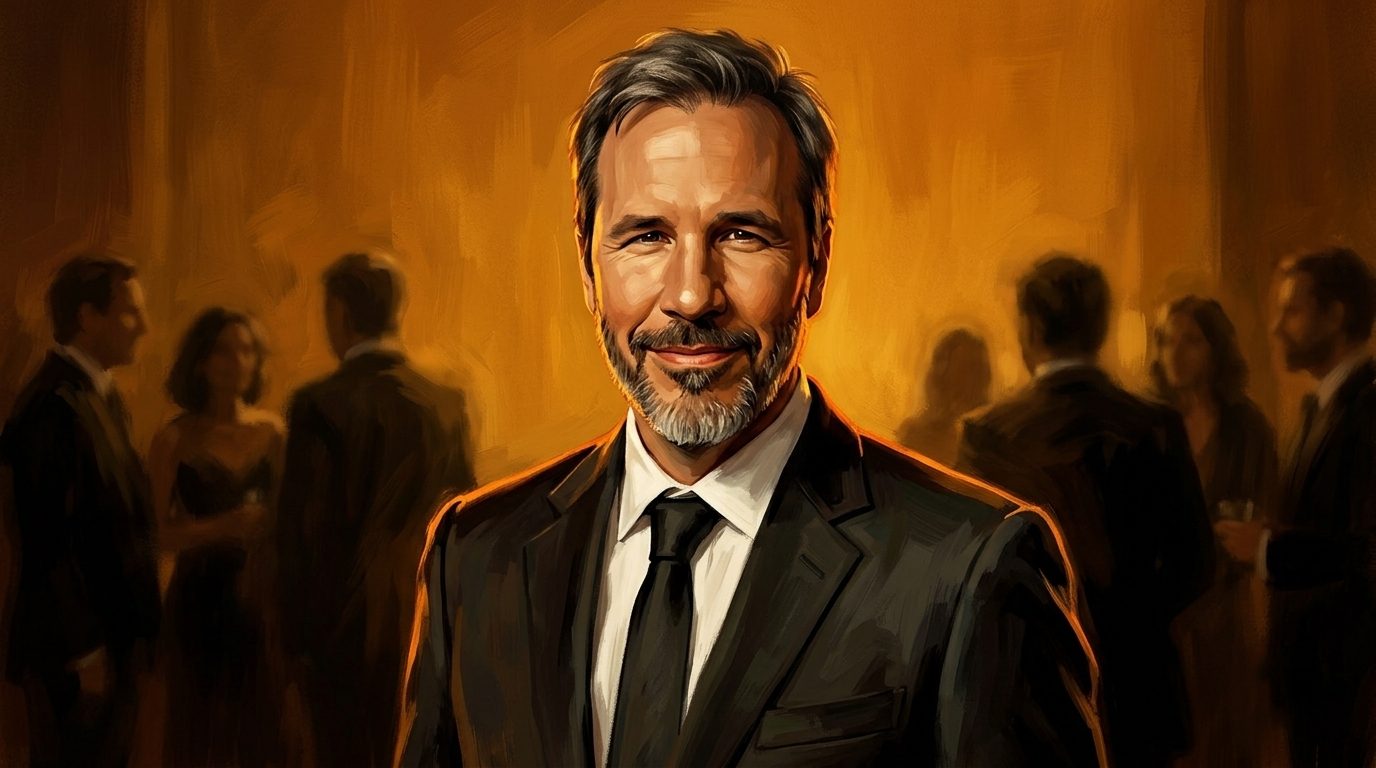
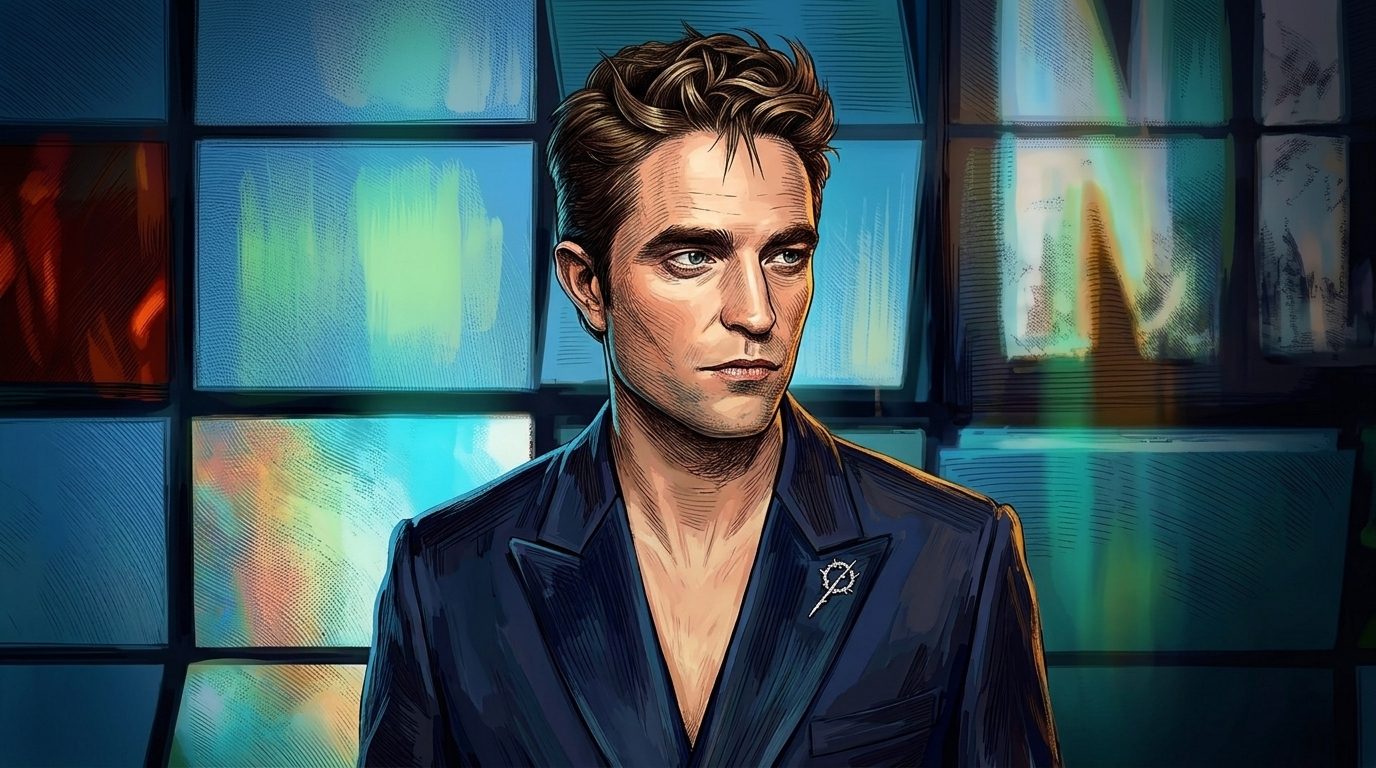
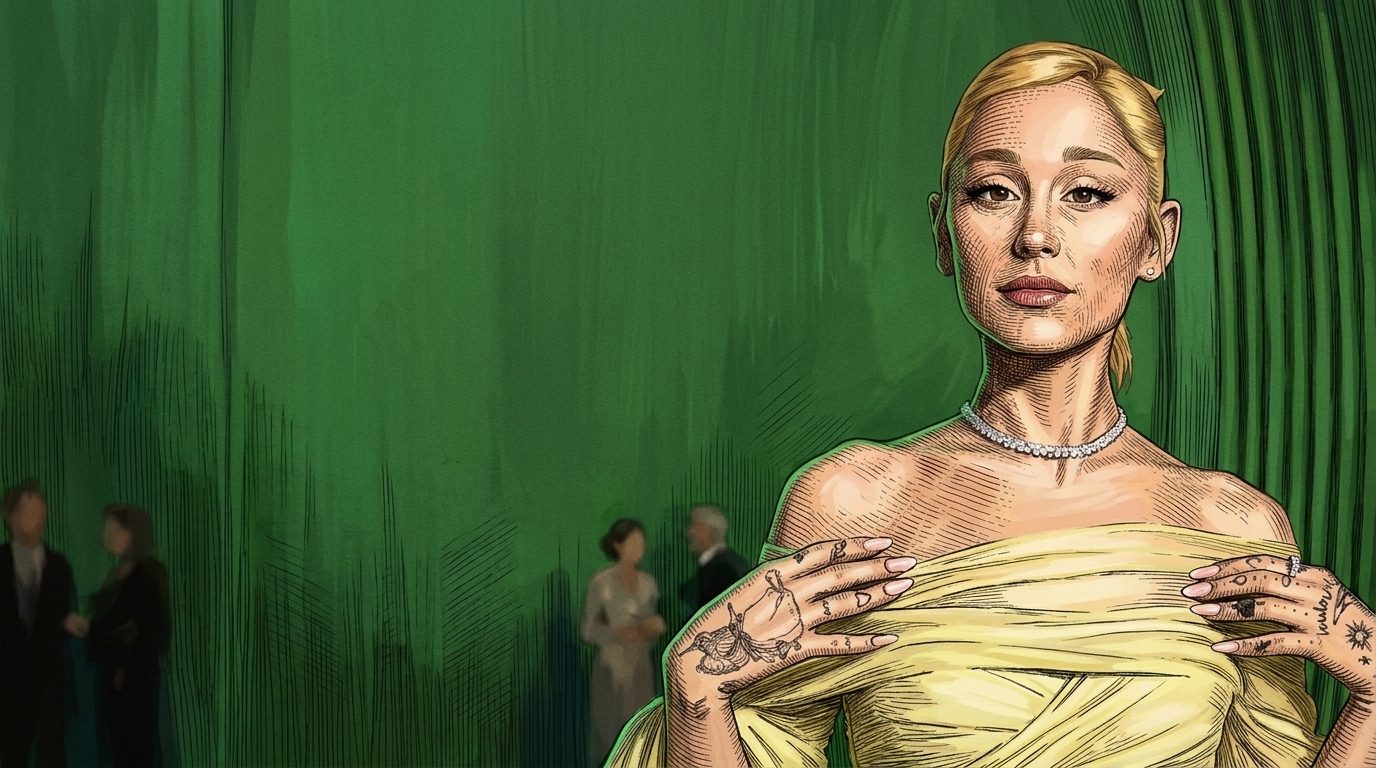
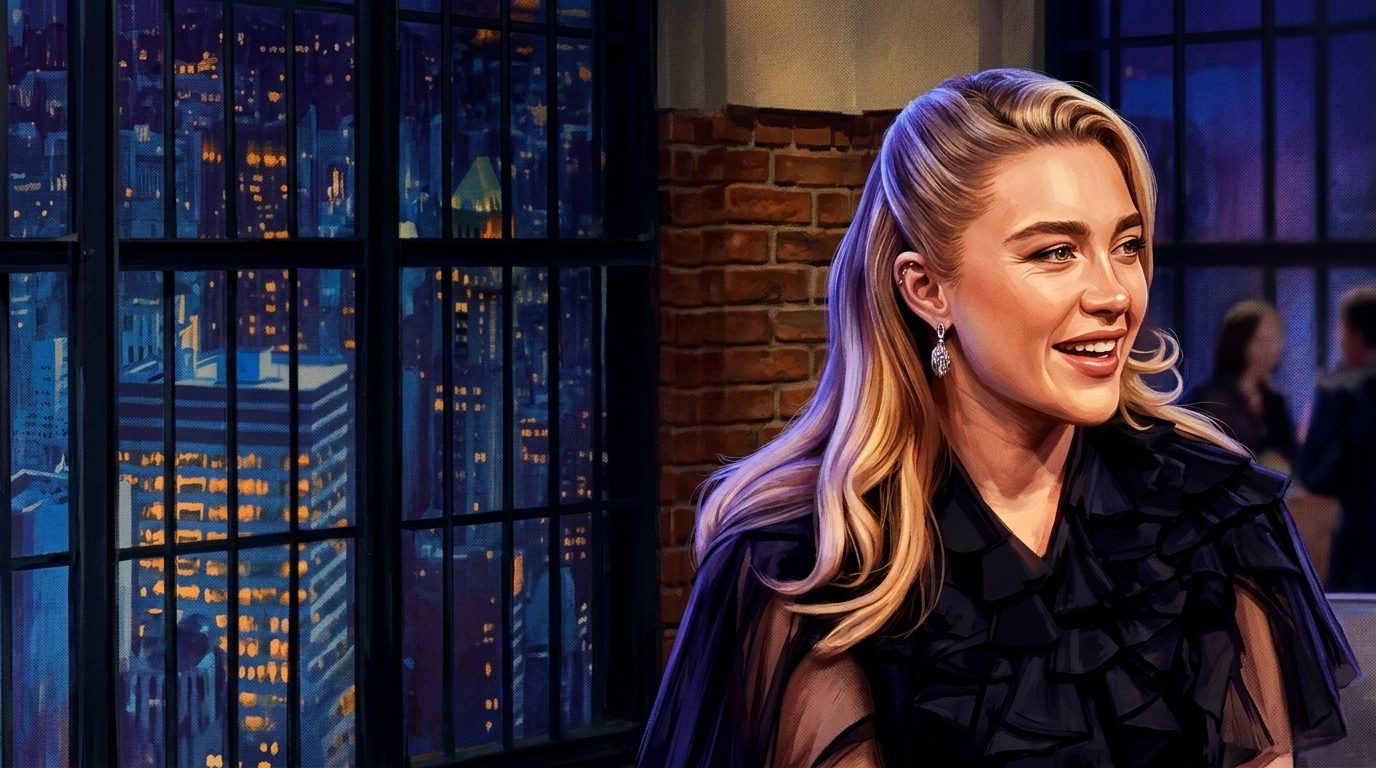
The timing made the joke land. Amazon MGM announced Robert Pattinson as 007 on the morning of Nov. 16. That night, Denis Villeneuve took the stage at Elle’s Women in Hollywood celebration in Beverly Hills to honor Pugh, and she told the room what she had already sent him: “I sent Denis a message this morning, and I said, ‘Congratulations on finding your Bond. Nice catch. Any villains with the size of a five-foot-four female?’”
https://www.instagram.com/p/Df1cgy6yt-8/
Pugh is not cold-calling. She shares the screen with Pattinson in Villeneuve’s Dune: Part Three, which opens Dec. 18. Steven Knight has written the Bond script, Amy Pascal and David Heyman are producing, and filming is set for 2027, with no villain attached and no release date announced. There is still room to get this right.
The villain is the whole movie
Bond himself barely changes from actor to actor. Cool, composed, elegantly violent, the tuxedo does most of the work. The villain is the part of the formula that actually moves, and the part fans remember.
“A Bond movie is only as good as its villain,” GoldenEye co-writer Bruce Feirstein told The Hollywood Reporter this month. The recent record backs him up. Javier Bardem’s Silva is the reason Skyfall still gets quoted. Rami Malek’s Safin is the reason No Time to Die sags, with the Guardian calling him “lacklustre” and his motives “a problem.” Pattinson’s Bond will live or die on this one casting call.
The mirror is the move, not the muscle
The villains who actually work are built from Bond, not against him. Silva is the cleanest case: “Silva is cut from the same cloth as 007 in many ways,” the Guardian’s Skyfall review noted, pointing to the shared history with M that gives the final act real weight.
The franchise tried that mirror with a woman exactly once, in 1965. Fiona Volpe in Thunderball is described by Screen Rant as “the first evil Bond Girl presented as a female version of 007,” a SPECTRE agent who beats Bond at seduction and is killed off mid-film as a henchwoman rather than promoted to the top of the call sheet. Only two films since have put a woman at antagonist level at all, Rosa Klebb and Elektra King, and Collider counts just those two in 25 films. Both come with an asterisk: Klebb answers to a bigger boss at SPECTRE, and Elektra plays Bond’s love interest for half her film before the reveal. No woman in the franchise’s history has been the mirror and the boss at once, the way Silva was.
Pugh fits that specific gap. Villeneuve, introducing her that same night, praised “a rare ability to convey so much inner stillness” and “a brilliant intelligence.” That is a description of someone who can work a room and hold a secret, which is close to what he says he wanted from Bond himself: “I need to believe that this man is a killer, because more than a spy, Bond is an assassin.”
What a smaller villain does to the fight
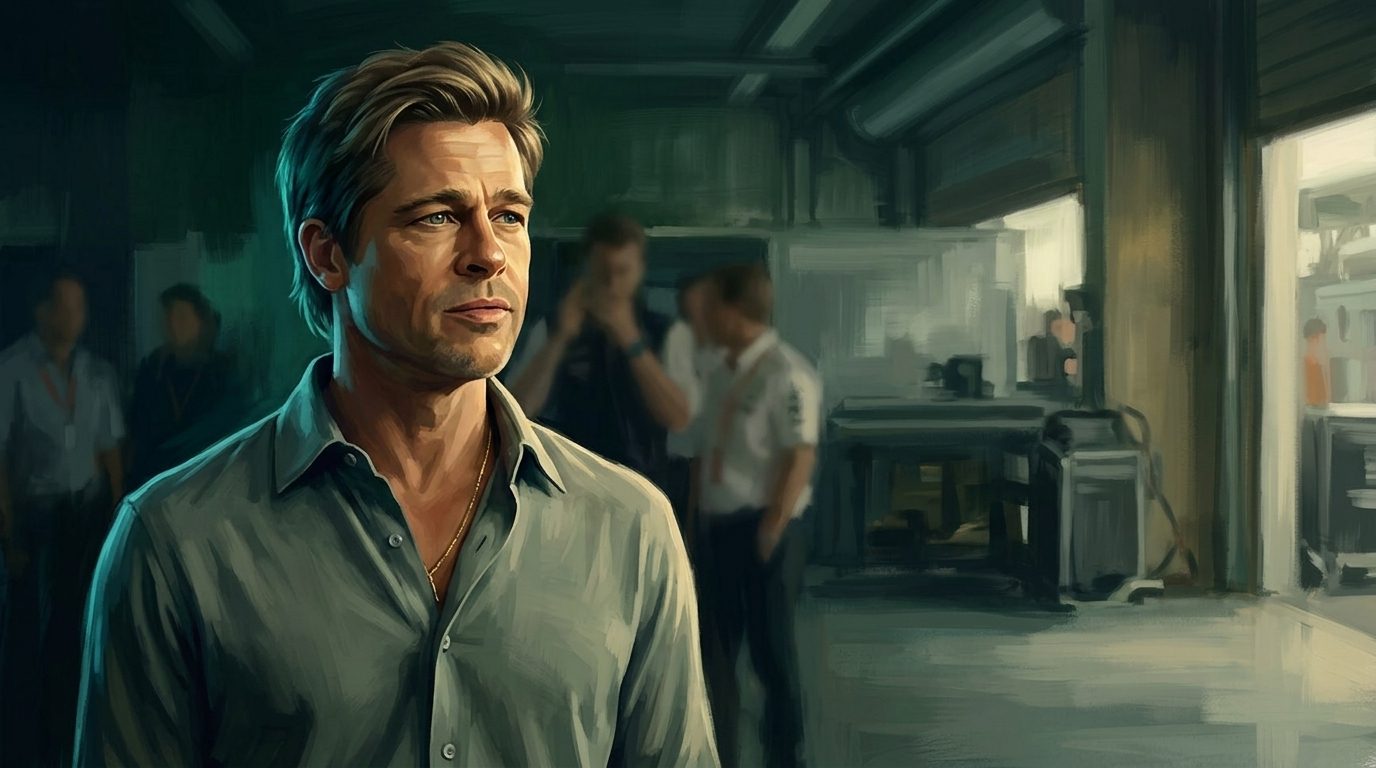
Brad Pitt has already volunteered for the role, citing Bardem’s Skyfall standard, and Bill Skarsgard has indicated interest too, according to the BBC. Idris Elba nodded when Complex asked him about it. All three fit the shape the trade press keeps sketching, where one reporter noted that a physically imposing villain would make “a nicely formidable antagonist” opposite Pattinson’s leaner frame. Pitt’s case is a legitimate one, built on a real precedent, and Movie Opinions has already made it in full.
That is also the easy version of the movie, the one that ends the way sixty years of Bond films have ended: two men, one burning set, fists.
A smaller, faster villain changes the physics of the whole third act. Bond cannot simply overpower her, so the script has to invent a defeat that costs him something beyond a punch. She cannot overpower him either, so the scheme has to work on patience and planning instead of force. Every scene between them turns into a negotiation with a blade folded inside it, which is a better movie than another hallway fistfight, and a closer relative to the franchise’s best outings than another large man in a nice suit.
The fair objection
A female villain can still end up as furniture, the elegant threat in a good coat who exists to look dangerous next to the men doing the deciding. The Craig era put a woman in the 00 program and the Guardian still called Lashana Lynch “forcefully charismatic in a slightly underwritten role.” Villeneuve has also been clear he is not rewriting the rulebook: “I’m not here to change the DNA of James Bond. I’m here to embrace it, to bring it to the world of today.”
Both points hold, and neither argues for handing the part to the tallest man on Kalshi’s odds board. A villain built as Bond’s equal is the DNA doing its job, the way it worked when Silva turned out to be exactly what Bond could have become. Pitt wants more of what already works. Pugh’s text asks for a Bond who finally has to think his way out of a room instead of shooting his way out of it.
The joke got the laugh. The idea behind it is the one that would actually put Pattinson’s Bond in danger.