
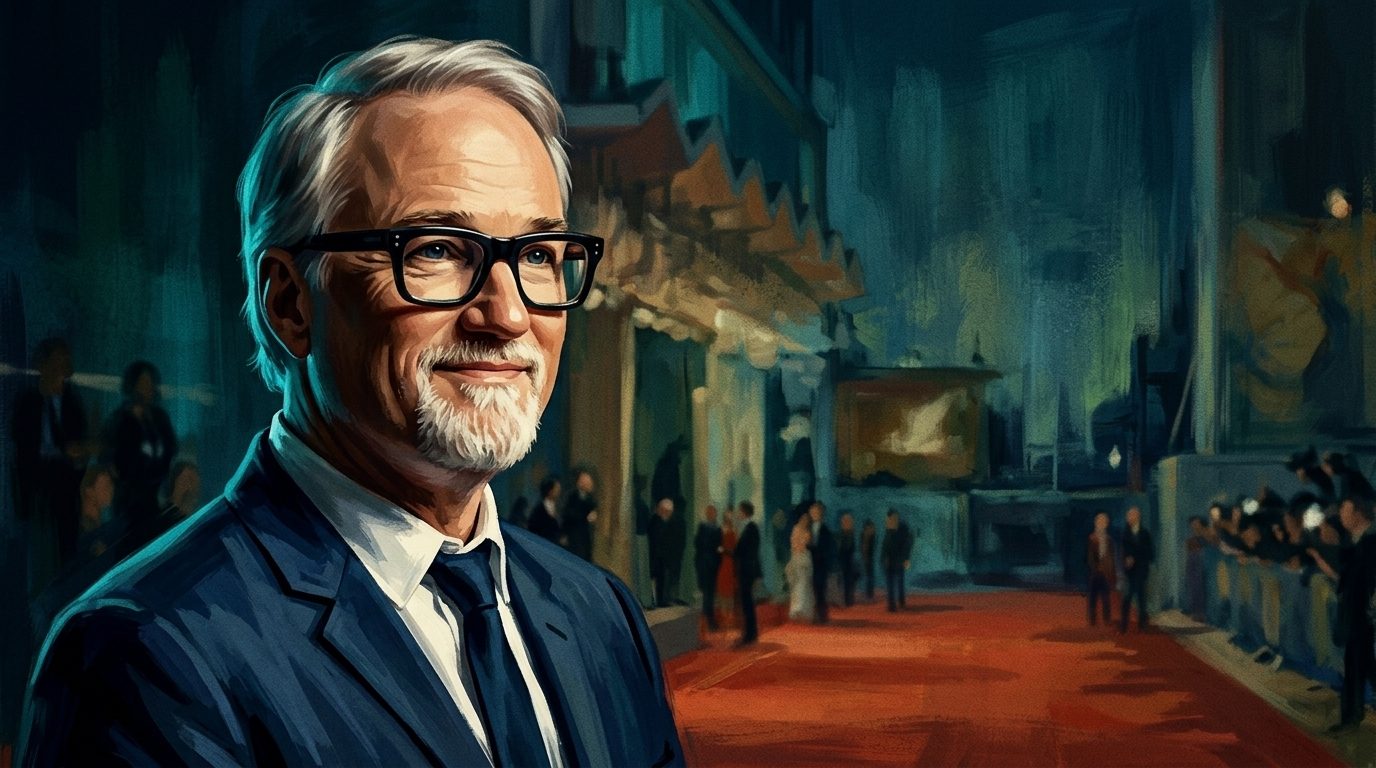
David Fincher has never been shy about explaining what software did to his movies. On The Further Mis-Adventures of Cliff Booth, he has offered a philosophy instead of an answer, and the gap between those two things is the actual story this week.
The AI fight around this film is being sold as a question of whether a serious director will use generative tools. That question is already settled. The real one is whether he will say what the tools did, and Fincher passed that test two years ago on a different movie entirely.
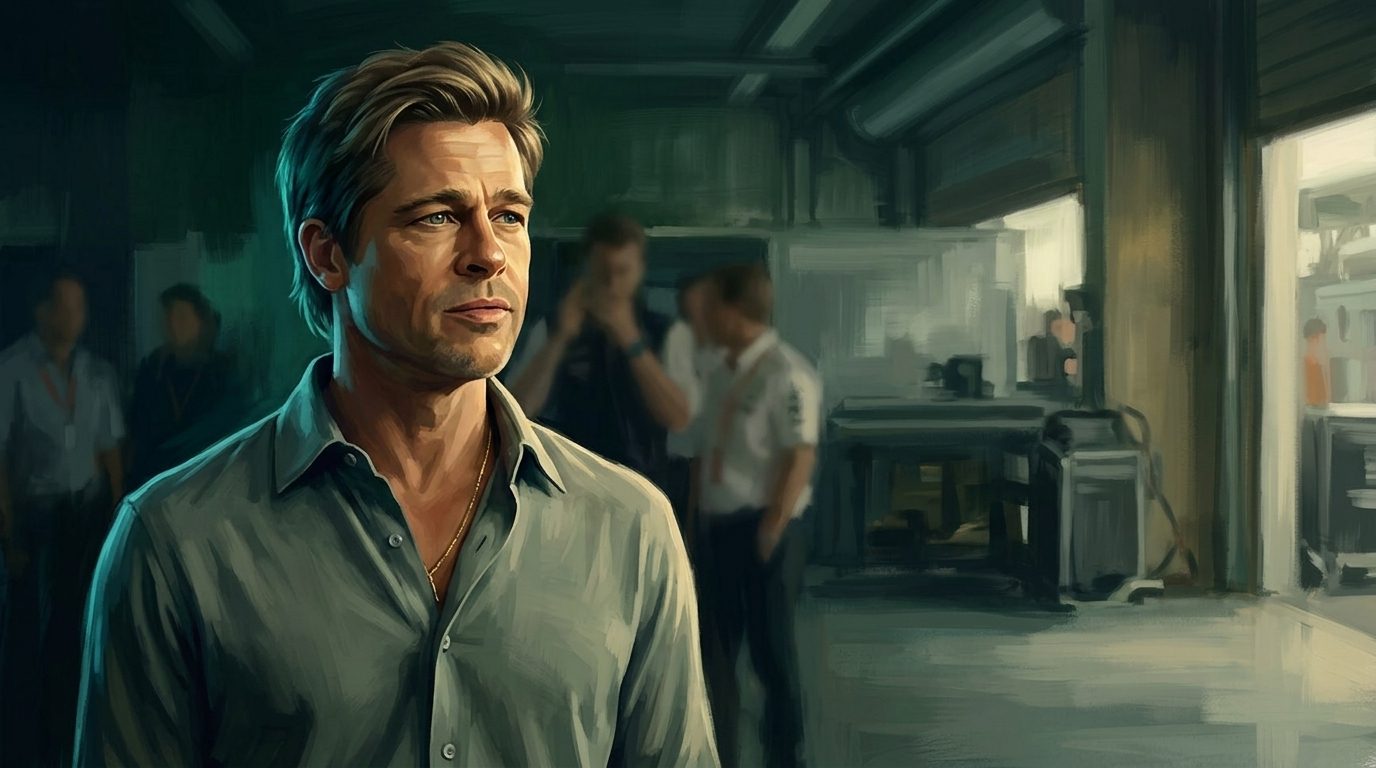
Start with the film itself. Written by Quentin Tarantino and starring Brad Pitt as his stuntman turned 1977 fixer, it opens in Imax on Nov. 25 and streams on Netflix Dec. 23, a release pattern the trade is already treating as a template, as laid out in how Cliff Booth is reshaping Netflix’s whole approach to auteur deals. The complaints beat the reviews to the gate. Early viewers flagged generative video artifacts in flashback scenes, including a trailer shot where a wagon appears to have been rendered the wrong way around, and Next Best Picture called the film’s use of the technology “nothing but an eyesore.” The credits list a generative consultant. Netflix has said nothing about what that consultant actually did.
The backlash found its shorthand fast. Indie filmmaker Patrick Tomasso posted that he walked out “completely gutted.”
https://x.com/imPatrickT/status/2123512838832685394
That claim is unproven and it has shaped the conversation more than any review has. That is what a studio buys when it stays quiet.
Reason one. Fincher has already written the confession he is refusing to write now. Promoting the Se7en 4K restoration in January 2025, he told Collider that a late camera pan had overshot and cropped an actor’s shoulder, jacket and all, out of frame. “So, we took three or four different shots from earlier, which had a jacket in them that we liked, and then we input that, and then we had it spit back out AI, and then took the background from where the camera landed and just composited them together,” he said. He added the line that should be framed in every post house in Burbank: “It ends up being the most thrillingly stupid fix in the world because if you see it, we didn’t do our jobs.” Nobody dragged that out of him. It arrived as craft talk.
Reason two. There is a clean test hiding in that quote, and it has nothing to do with which software sits on the machine. Did the camera see the thing? The shoulder was photographed, lost to a bad pan, and rebuilt from takes shot the same night under the same light. A wagon facing the wrong way in a flashback is an image nobody shot standing in for one a second unit or a matte painter would once have built by hand. One restores a record. The other authors one. Fincher’s own Los Angeles Times answer dodges that line entirely: “We’re talking about a thing that’s a hundred years old, and everyone’s going, ‘Stop. Pencils down. No more iterating… Well, it exists. Should we not use it?’” Notice what the answer leaves out. No shot, no scene, no tool. The people asking were never asking for a ban. They asked for a caption.
Reason three. Nobody in the business is above this fault line right now. At Marrakech this weekend, Arthur Harari said he had never used AI, then described minutes later the deepfake tool his team used so Lea Seydoux could kiss Lea Seydoux in The Unknown. “But there was a human behind it,” he said, before admitting the real problem: “Once you get a foot in the door, it becomes incredibly difficult not to use it at every turn.” Luca Guadagnino spent a Deadline Crew Call weighing Sam Altman as a kind of doomsday figure while his own Altman movie, backed out of by Amazon MGM, lands on Neon’s Christmas Day slate. Netflix disclosed that roughly 300 of its programs used generative AI in production this year and bought Ben Affleck’s InterPositive for as much as $600 million, the same company Bloomberg reported Fincher had already used on this film. Co-CEO Ted Sarandos told shareholders, “We believe it takes great artists to make something great, and AI is not changing that.” Everyone is debating the end of the medium in public. The company funding most of them will not annotate its own credits.
There is a fair objection here, and it deserves weight. Dailies-based cleanup sits close to digital repair work that has been routine for two decades, a few suspect frames in a trailer prove nothing on their own, and the film has real defenders, including Variety’s Owen Gleiberman calling it “a highly pleasurable, shaggy heat-of-the-moment buzz.” A fix nobody notices is a good fix by Fincher’s own stated standard, and a frame-grab campaign is not the same as proof.
But Fincher cut 60 pages out of Tarantino’s 230-page script and explained that choice without flinching, the same collaborative instinct that made the case for letting Tarantino write and Fincher direct in the first place. Explaining the jacket took him one paragraph. Naming the wagon would take one more, and it would settle the guessing for every director walking into this fight behind him. If you see it, they didn’t do their jobs. If nobody will say whether it’s there, the audience ends up doing that job for them.