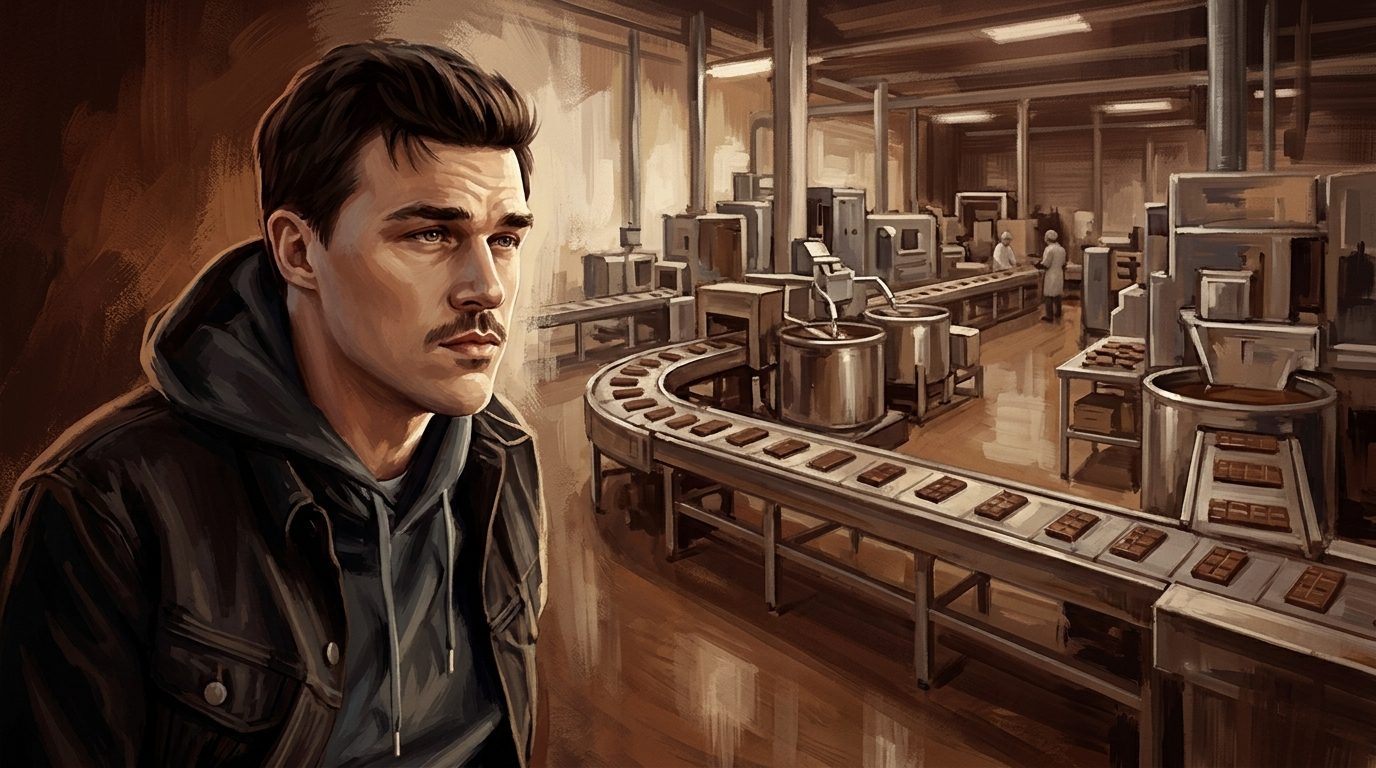

Motor City is a stream, and a fairly easy call at that: it is a B movie that went looking for an A-movie release and found its real home on a couch. Alan Ritchson plays John Miller, a Vietnam veteran and Detroit factory worker whom Ben Foster’s drug boss Reynolds frames for a bust that, a headline glimpsed in a newspaper box informs the audience, is worth 25 years. The film tells this story in 103 minutes with almost no dialogue at all, and it works best for viewers who want their pulp delivered loud, fast and shorn of explanation.
One warning belongs before any recommendation. The film’s central ugliness lands on Shailene Woodley’s Sophia, in a sequence Digital Spy flags for an especially graphic depiction of sexual assault, while Common Sense Media’s content guide describes a husband who physically abuses and forcibly drugs his wife, the assault itself strongly implied rather than shown outright. The two accounts disagree slightly on how explicit the scene is. Neither leaves much room to mistake it for ordinary genre roughhousing, and it is the one stretch of the picture that offers no pulp pleasure to offset it.
What changed between the Venice premiere and now is simply where the film lives. IFC put it in 1,600 theaters this past summer, where it grossed $2.7 million domestic and $3.03 million worldwide against a reported $30 million budget, the kind of math that ends a theatrical run quietly. Critics landed at 63 percent on Rotten Tomatoes from 98 reviews, and it now streams on AMC+ in the United States, with rental options on Amazon, Apple TV and Fandango at Home (availability checked Nov. 16, 2026). It also just landed on Prime Video in the UK, which is the rare case of a movie getting a second theatrical-adjacent life before most people noticed the first one.
The single choice worth the price of a rental night is the elevator fight, and director Potsy Ponciroli knew it before anyone reviewed the film. “The elevator fight. Everybody has to see it,” he told Polygon, recalling that a Venice premiere audience “could literally feel the entire theater tense up during it.” He is not exaggerating his own movie for once. John and the corrupt detective Savick, played by Pablo Schreiber with genuine menace, fight in a cramped, overlit box while a knife sits fixed in the foreground of the frame, the camera refusing to cut away from it even as the two men maul each other behind it. It is the clearest argument the film makes for going wordless, since no line of dialogue could improve on that composition. Steve Jablonsky’s synth score does the emotional work dialogue would otherwise carry, and when the film lets him lead, Matt Zoller Seitz at RogerEbert.com found it becomes “intoxicating and unstoppable.”
https://www.youtube.com/watch?v=t6RklhKu9os
Where the film splits its audience is the jukebox. Fleetwood Mac’s “The Chain” scores an arrest, the Moody Blues soundtrack a prison break, and Screen International’s Wendy Ide concluded that the music and the heavily choreographed shooting style made the whole thing look like “an extremely violent extended music video.” TheWrap’s Steve Pond mostly enjoyed the noise and still caught David Bowie’s “Cat People,” a 1983 recording, playing over scenes set in 1977 (a small anachronism, the kind only a critic on deadline notices and then can’t un-notice). Foster gets the better end of the casting, playing Reynolds as a coke-nailed, nylon-shirted kingpin who, as Variety put it, looks like a dweeb while running an empire. Woodley gets the least, and the reviews said so plainly: Screen International judged the characterization makes classic film noir’s hard-boiled women look like nuns, while Slant called Sophia less a person than a prize to be fought over.
Ponciroli came up directing music videos before breaking through with Old Henry, the lean 2021 Tim Blake Nelson western that played Venice in competition. That film earned its quiet through restraint. Motor City reaches for the same instinct at much larger volume, which is either a bigger swing or a louder one depending on the critic, and the result lands somewhere between the two. The script itself has its own decade-long detour: Chad St. John’s screenplay made the 2009 Black List, and a 2012 version with Albert Hughes directing Gerard Butler collapsed weeks before shooting was due to start, which makes Ritchson’s take the one that finally got made, more than ten years and one near-miss later. Jack White, an executive producer, shows up briefly as a restaurant pianist pounding out Christmas carols loud enough to drown the film’s handful of spoken lines, a cameo that is funnier than almost anything the script intends.
Anyone who needs a plot narrated aloud, or anyone who already thought John Woo’s Silent Night talked too much, will be bored before the first act ends, and that is a fair place to land with this film. David Ehrlich at IndieWire made the stronger case against it, arguing that an approach this stripped of dialogue “demands a visual stylist at the height of their powers” and that “Potsy Ponciroli is no John Woo.” He is not wrong about the gap in craft between the two filmmakers. What the film still has going for it, and what the small distributor How to Rob a Bank also leaned on earlier this month, is the fact that under-attended theatrically does not mean unwatchable, and a film built on mood and a handful of set pieces can thrive once the ticket price drops to a subscription.
Motor City is a stream, with the one firm qualification that the Sophia sequence is not a scene to walk into unwarned. Ponciroli went looking for an opera told entirely in silence and bodies, and what he actually built is a very good jukebox with one unforgettable elevator scene inside it. For pulp fans willing to meet the film on those terms, that trade is more than fair.